
A Packaging Machine plays a major role in modern production industries, especially when multiple products need to be packed efficiently in a single system. A Packaging Machine designed for multi-product handling is built to manage different item types without slowing down the production line.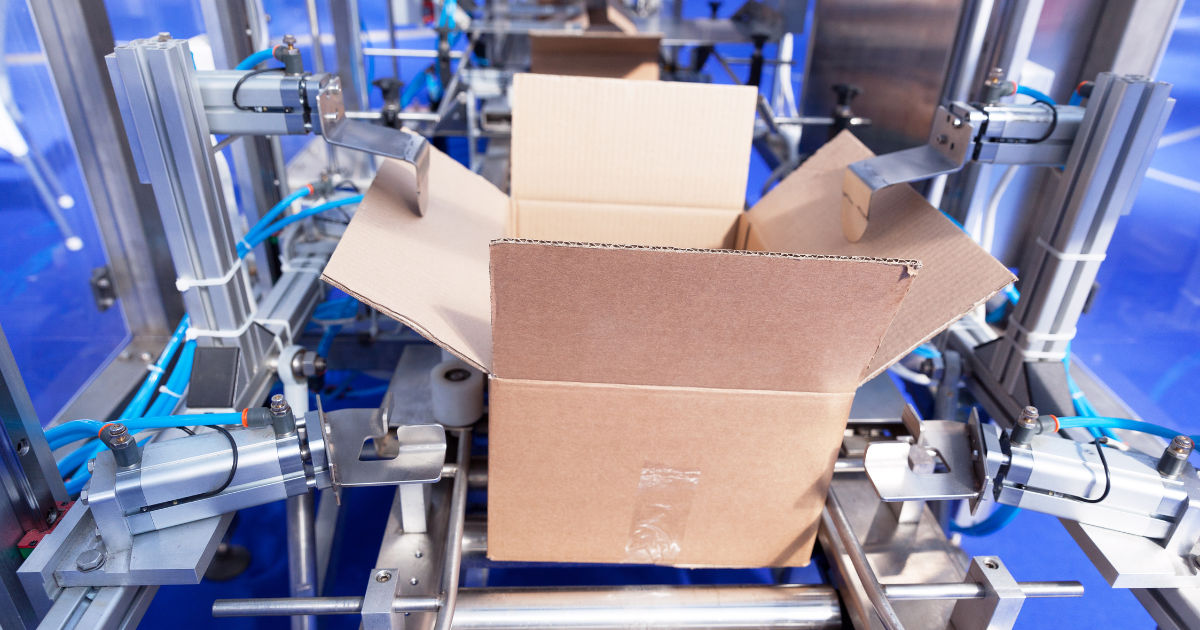
In today’s competitive manufacturing world, a Packaging Machine helps companies improve speed, accuracy, and consistency. A Packaging Machine is not just a tool but a complete system that supports automation and reduces human effort.
A Packaging Machine ensures that products of different sizes, shapes, and materials can be packed using one integrated setup. A Packaging Machine is widely used in food, pharmaceuticals, cosmetics, and industrial sectors because it simplifies complex packaging tasks.
The idea behind a multi-product system is flexibility. A Packaging Machine must adjust quickly when switching between different product categories. This allows manufacturers to save time and reduce downtime during production changeovers.
A Packaging Machine also ensures that every product is packed with equal precision, no matter how frequently the product type changes. In large factories, a Packaging Machine becomes the backbone of production efficiency.
This article will explain in detail how a multi-product system works, what components it uses, how it operates, and why it is essential in modern industries. We will also explore advantages, applications, maintenance, and future developments of this advanced technology.
What is a Multi Product Packaging System?
A multi-product system is designed to handle more than one type of item within the same setup. A Packaging Machine in this category is built with flexible settings that allow quick switching between products. A Packaging Machine can pack liquids, powders, granules, solids, or mixed products depending on configuration.
A Packaging Machine in multi-product operations uses programmable controls that store multiple product settings. This helps operators change production modes easily. A Packaging Machine reduces the need for multiple dedicated machines, which saves space and cost.
In simple terms, a Packaging Machine acts like a smart system that adapts to different packaging needs. A Packaging Machine ensures smooth transitions between product types without affecting speed or quality.
Core Components of a Multi Product Packaging Machine
A Packaging Machine is made up of several important components that work together to ensure smooth operation. Each part plays a critical role in maintaining efficiency.
Feeding System
The feeding system in a Packaging Machine delivers raw products into the system. A Packaging Machine uses conveyors, hoppers, or automatic feeders depending on the product type.
Weighing and Measuring Unit
A Packaging Machine includes a precise weighing system to ensure correct quantity. This ensures accuracy and reduces product waste.
Filling Unit
The filling section of a Packaging Machine places the product into bags, pouches, bottles, or containers. A Packaging Machine adjusts filling speed based on product type.
Sealing Mechanism
A Packaging Machine uses heat sealing, pressure sealing, or ultrasonic sealing to close packages securely. This ensures product safety and hygiene.
Control Panel
A Packaging Machine uses a digital control panel or PLC system for managing operations. A Packaging Machine stores different product settings for easy switching.
Sensors and Detectors
A Packaging Machine uses sensors to detect product position, weight, and packaging quality. This improves accuracy and reduces errors.
Working Principle of Multi Product Packaging Machine
The working principle of a Packaging Machine is based on automation and synchronization. A Packaging Machine follows a step-by-step process to complete packaging tasks efficiently.
First, a Packaging Machine receives the product from the feeding system. Then the Packaging Machine measures the correct quantity using sensors and weighing units. After that, the Packaging Machine transfers the product to the filling section. The Packaging Machine then fills the product into containers or packets.
Next, the Packaging Machine moves the package to the sealing unit. A Packaging Machine ensures that sealing is done properly to prevent leakage or contamination. Finally, the Packaging Machine sends the finished package to the output conveyor for collection.
This cycle repeats continuously, allowing the Packaging Machine to handle large volumes of products efficiently.
Product Handling and Changeover System
One of the most important features of a Packaging Machine is its ability to handle multiple products. A Packaging Machine uses programmable settings to switch between different product types.
When changing products, a Packaging Machine adjusts speed, filling volume, and sealing temperature automatically. This reduces downtime and improves productivity. A Packaging Machine may also include interchangeable parts for different packaging formats.
A Packaging Machine ensures that product changeovers are smooth and do not affect production quality. This flexibility makes a Packaging Machine suitable for industries with diverse product lines.
Automation and Smart Technology in Packaging Systems
Modern industries rely heavily on automation, and a Packaging Machine is a key part of this system. A Packaging Machine uses sensors, robotics, and software control to perform tasks with minimal human intervention.
A Packaging Machine can be connected to a central computer system for real-time monitoring. This allows operators to track performance and detect issues quickly. A Packaging Machine also uses artificial intelligence in advanced models to optimize speed and accuracy.
Automation in a Packaging Machine reduces labor costs and increases efficiency. A Packaging Machine also improves safety by reducing human contact with machinery.
Types of Multi Product Packaging Machines
There are different types of systems depending on industry needs. A Packaging Machine can be designed in various forms.
Vertical Packaging System
A Packaging Machine in vertical design is used for powders and granules. It packs products from top to bottom efficiently.
Horizontal Packaging System
A Packaging Machine in horizontal format is used for solid items like biscuits or hardware products.
Rotary Packaging System
A Packaging Machine with rotary design rotates products through different stations for filling and sealing.
Fully Automatic System
A Packaging Machine that is fully automatic requires minimal human control and handles all steps independently.
Applications of Multi Product Packaging Machines
A Packaging Machine is widely used in different industries due to its flexibility.
In the food industry, a Packaging Machine packs snacks, spices, and beverages. In pharmaceuticals, a Packaging Machine ensures safe packaging of tablets and syrups.
In cosmetics, a Packaging Machine handles creams, lotions, and powders. In industrial sectors, a Packaging Machine packs tools, parts, and materials efficiently.
A Packaging Machine is essential wherever high-speed and accurate packaging is required.
Advantages of Multi Product Packaging Systems
A Packaging Machine offers several benefits that improve production efficiency.
A Packaging Machine increases speed and reduces manual labor. A Packaging Machine ensures consistent product quality and packaging accuracy. A Packaging Machine also reduces operational costs by minimizing waste.
Another advantage of a Packaging Machine is flexibility in handling multiple products. A Packaging Machine also improves hygiene by reducing human contact.
A Packaging Machine helps industries scale production without adding extra labor.
Maintenance and Care of Packaging Systems
Proper maintenance ensures long-term performance of a Packaging Machine. Regular cleaning of a Packaging Machine prevents contamination and mechanical issues.
A Packaging Machine requires lubrication of moving parts for smooth operation. Sensors in a Packaging Machine must be calibrated regularly for accuracy.
A Packaging Machine should be inspected for wear and tear to avoid breakdowns. Software updates also improve the performance of a Packaging Machine.
Future of Multi Product Packaging Technology
The future of a Packaging Machine is highly advanced and technology-driven. A Packaging Machine will continue to integrate AI and machine learning for better efficiency.
A Packaging Machine in the future will become more energy-efficient and eco-friendly. A Packaging Machine will also include more automation features to reduce human involvement.
Smart factories will rely heavily on a Packaging Machine for continuous production. A Packaging Machine will become more adaptable to customized packaging needs.
Conclusion
A multi-product system is a powerful innovation in modern manufacturing, and a Packaging Machine is at the center of this transformation. A Packaging Machine ensures speed, accuracy, and flexibility in handling different product types. A Packaging Machine improves efficiency, reduces cost, and supports large-scale production. A Packaging Machine is essential for industries that deal with diverse product lines. A Packaging Machine will continue to evolve with advanced technologies, making production smarter and more efficient in the future.