
When it comes to electrical infrastructure, high voltage power cables are the backbone of energy transmission. Whether it’s powering cities, industries, or homes, these cables play a critical role in delivering electricity safely and efficiently.
 If you are sourcing these cables in Pakistan, a reliable Pakistan Cables Supplier is essential to ensure quality, safety, and longevity.
In this comprehensive guide, we will explore eight important facts about high voltage power cables, from their design and materials to installation and maintenance, helping you understand why they are vital for modern life.
What Are High Voltage Power Cables?
High voltage power cables are specialized electrical cables designed to carry electricity at voltages above 35 kV (kilovolts). Unlike low-voltage cables used in homes, these cables handle large amounts of electrical power over long distances. They are commonly used in power transmission networks, substations, and industrial settings.
These cables are built to withstand extreme electrical, mechanical, and environmental conditions. The combination of materials, insulation, and protective layers ensures that electricity flows reliably without losses or hazards. Working with a trusted Pakistan Cables Supplier guarantees that the cables meet international standards for safety and performance.
1. Construction of High Voltage Power Cables
High voltage power cables have a complex construction designed to protect both the cable and the people around it. Typically, they consist of:
-
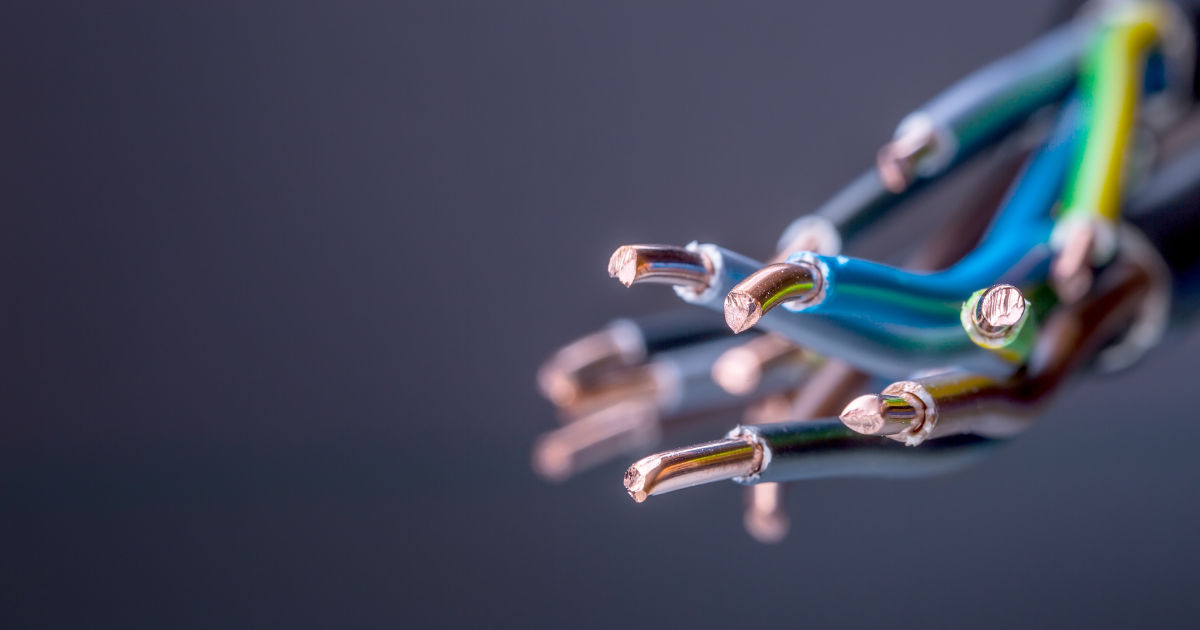
Conductor: Usually made of copper or aluminum, which carries the electric current.
-
Insulation: A thick layer of material like cross-linked polyethylene (XLPE) or ethylene propylene rubber (EPR) to prevent electrical leakage.
-
Shielding: A metallic or semi-conductive layer that controls the electric field and prevents interference.
-
Armor: Optional steel wire or tape for mechanical protection in harsh environments.
-
Outer Sheath: The final protective layer that guards against moisture, chemicals, and mechanical damage.
Understanding the construction is crucial for anyone working with electricity. A reputable Pakistan Cables Supplier will provide cables that follow these construction standards, ensuring safety and reliability.
2. Types of High Voltage Cables
High voltage cables come in different types based on insulation and installation methods:
-
XLPE Cables: Cross-linked polyethylene cables are popular due to their high thermal resistance, long lifespan, and ability to handle high voltages.
-
EPR Cables: These cables use ethylene propylene rubber insulation, which is flexible and ideal for underground or outdoor installations.
-
Oil-Filled Cables: Often used in older power networks, these cables have oil to enhance insulation and prevent breakdowns.
-
Gas-Insulated Cables: Used in extreme conditions, these cables contain insulating gas to maintain efficiency.
Choosing the right type depends on the application and environment. An experienced Pakistan Cables Supplier can help select the ideal cable for your project.
3. Importance of Proper Insulation
High voltage power cables operate under tremendous electrical stress. Proper insulation is critical to prevent accidents and ensure efficiency. Poorly insulated cables can cause short circuits, fires, and equipment damage. The insulation material must resist heat, moisture, chemicals, and mechanical stress.
XLPE insulation is one of the most widely used because it maintains its properties over time, even in hot climates like Pakistan. A certified Pakistan Cables Supplier ensures that the insulation meets international standards, reducing the risk of electrical hazards.
4. Installation Techniques
Installing high voltage cables requires expertise and careful planning. Incorrect installation can lead to energy loss, overheating, or cable failure. Key considerations include:
-
Trenching: For underground cables, trenches must be dug to the proper depth to avoid damage.
-
Bending Radius: Cables have a minimum bending radius. Bending beyond this can damage the insulation or conductor.
-
Jointing: Connections between cable sections must be precise and well-insulated.
-
Cable Laying: Cables can be laid underground, overhead, or underwater, depending on the project needs.
Professional installation by certified technicians ensures that the cables perform efficiently and last for decades. Always source cables from a trusted Pakistan Cables Supplier who also provides installation guidance.
5. High Voltage Cables and Safety
Safety is a top priority when working with high voltage power cables. Even a small mistake can lead to serious accidents. Safety practices include:
-
Using personal protective equipment (PPE) during installation or maintenance.
-
Avoiding physical damage to cables.
-
Ensuring proper grounding and earthing.
-
Regular inspections to detect wear or insulation damage.
A reliable Pakistan Cables Supplier often provides safety guidelines and maintenance instructions along with their products, helping reduce risks.
6. Maintenance and Inspection
High voltage power cables require periodic maintenance to ensure continuous performance. Key maintenance tasks include:
-
Visual Inspections: Look for cracks, cuts, or signs of wear in the cable sheath.
-
Thermal Imaging: Detect overheating or hot spots that indicate potential failure.
-
Electrical Testing: Measure insulation resistance and detect defects before they cause problems.
-
Cleaning: Remove dust, oil, or moisture that may compromise insulation.
Routine inspections extend the lifespan of cables and prevent costly downtime. Working with a certified Pakistan Cables Supplier ensures that maintenance instructions are precise and follow international standards.
7. Advantages of High Voltage Cables
High voltage cables offer several advantages:
-
Efficient Transmission: They can carry large amounts of electricity over long distances with minimal losses.
-
Reliability: Properly installed and maintained cables provide consistent energy delivery.
-
Safety: Insulated and armored designs reduce the risk of accidents.
-
Flexibility: Various types of cables allow installation in diverse environments, from underground urban grids to high-altitude transmission lines.
By choosing a reputable Pakistan Cables Supplier, you can maximize these advantages, ensuring energy flows smoothly to meet industrial, commercial, and residential needs.
8. Environmental Considerations
High voltage power cables also have environmental impacts to consider. Proper cable selection, installation, and disposal are essential to minimize harm. Considerations include:
-
Material Safety: Use cables with environmentally friendly insulation.
-
Energy Efficiency: High-quality cables reduce energy losses and improve efficiency.
-
Recycling: Some components, like copper or aluminum conductors, can be recycled at the end of the cable’s life.
A responsible Pakistan Cables Supplier will offer products that comply with environmental regulations and promote sustainability.
Conclusion
High voltage power cables are essential components of modern electrical infrastructure. From construction and insulation to installation and maintenance, every aspect of these cables affects safety, efficiency, and longevity. By understanding the eight key facts outlined in this guide, you can make informed decisions about selecting, installing, and maintaining high voltage power cables.
Working with a reliable Pakistan Cables Supplier is critical. They ensure that the cables meet international standards, provide guidance for installation and maintenance, and deliver a product that lasts for decades. Whether for industrial projects, urban grids, or renewable energy systems, high voltage cables are a critical investment in the future of energy transmission.
Choosing the right cable, understanding its type and construction, following safety measures, and performing regular inspections are all part of responsible electricity management. With high voltage power cables sourced from a trusted supplier, you can ensure safe, reliable, and efficient energy distribution in Pakistan and beyond.
By paying attention to these facts and working with experts, individuals and businesses can avoid electrical hazards, reduce energy losses, and contribute to a sustainable energy future.