
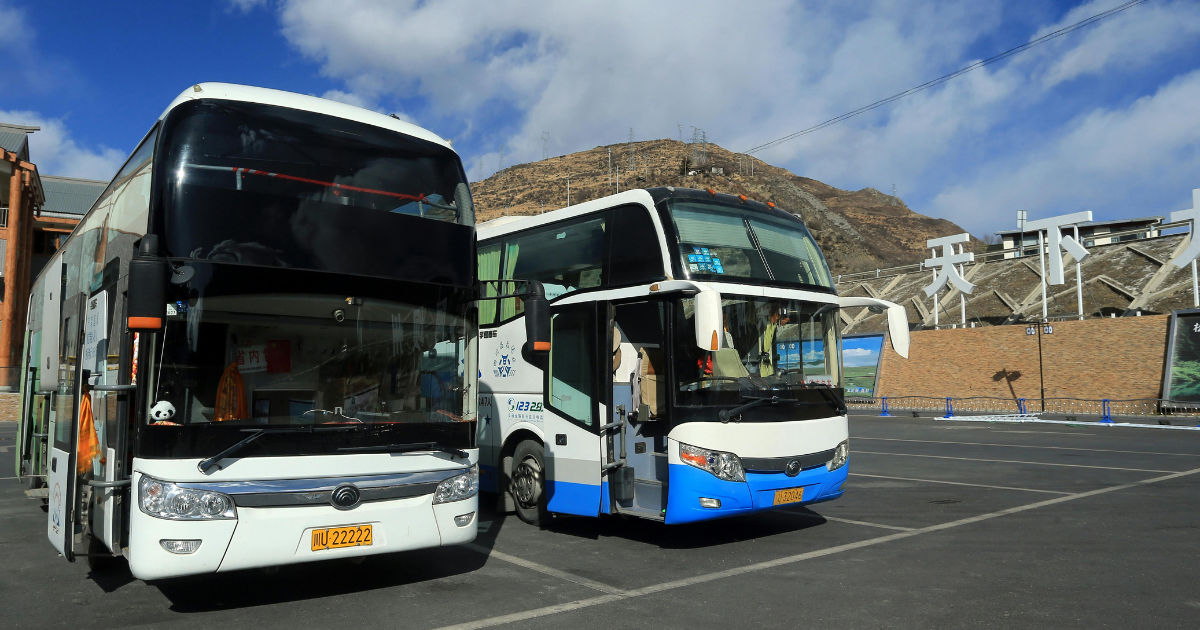
In today’s fast-paced business world, efficiency is everything. One crucial aspect that often goes unnoticed is corporate meeting transportation.
Companies regularly organize meetings, conferences, and client visits, and ensuring smooth, reliable transportation can make the difference between a successful event and a stressful experience.
From minimizing delays to improving professionalism, understanding the nuances of corporate meeting transportation is vital for modern businesses.
This guide will break down everything you need to know about corporate meeting transportation, why it matters, the types of services available, and tips for choosing the best solutions for your organization.
Why Corporate Meeting Transportation Matters
Effective corporate meeting transportation is more than just getting employees or clients from point A to point B. It plays a crucial role in:
-
Time management: Business schedules are tight. Late arrivals can derail meetings, presentations, and negotiations.
-
Professional image: Arriving in a reliable and comfortable vehicle reflects a company’s professionalism and commitment to excellence.
-
Stress reduction: Organizing travel logistics can be stressful. A dependable transportation service reduces anxiety for employees and clients.
-
Cost-efficiency: Well-planned transportation can reduce travel costs and prevent the financial loss associated with missed meetings or delays.
A strong understanding of corporate meeting transportation ensures businesses maintain punctuality, professionalism, and operational efficiency.
Types of Corporate Meeting Transportation
Companies can choose from a variety of transportation options depending on the size of the meeting, distance, and level of luxury required.
1. Executive Car Services
Executive car services are ideal for small groups or individual executives. These vehicles are typically luxury sedans or SUVs, offering comfort, privacy, and convenience. Executive car services often include professional drivers trained in punctuality and etiquette, ensuring a seamless experience for high-level corporate travelers.
2. Shuttle Services
Shuttle services are suitable for larger groups attending conferences or corporate retreats. These services provide scheduled transportation between hotels, airports, and meeting venues. Shuttles help coordinate group movements efficiently and reduce the risk of delays caused by multiple smaller vehicles.
3. Limousine Services
For high-profile meetings or events, limousine services offer both style and comfort. Limousines not only make a professional impression but also provide amenities such as Wi-Fi, climate control, and refreshments. They are ideal for executive transport when first impressions matter.
4. Corporate Fleet Rentals
Some companies prefer to manage their own fleet of vehicles for meetings and events. This approach provides maximum control over schedules and vehicle standards. Corporate fleets can include a mix of cars, vans, and buses depending on the company’s needs.
5. Ride-Hailing Services
In certain situations, ride-hailing platforms like Uber or Lyft can supplement corporate meeting transportation. While not always suitable for high-level executives due to privacy concerns, ride-hailing can be convenient for employees attending local meetings or offsite sessions.
Key Features to Look for in Corporate Meeting Transportation
When selecting a transportation service for corporate meetings, several features ensure efficiency, safety, and comfort:
Punctuality
Timeliness is crucial in corporate settings. Reliable services maintain accurate schedules and track traffic patterns to avoid delays.
Professional Drivers
Corporate meeting transportation often involves important clients or executives. Drivers should be trained in professional conduct, navigation, and discretion.
Comfort and Amenities
Long rides can be tiring. Vehicles equipped with comfortable seating, climate control, and Wi-Fi enhance productivity and satisfaction.
Safety Standards
Ensure that vehicles are regularly inspected and comply with safety regulations. Advanced features like GPS tracking and emergency assistance are additional benefits.
Customizable Options
A good transportation provider offers flexibility. Options for different vehicle types, pick-up locations, and on-demand services help meet diverse corporate needs.
Planning Corporate Meeting Transportation
Effective planning is the backbone of successful corporate transportation. The following steps help businesses organize seamless logistics:
1. Assess the Needs
Determine the number of attendees, the distance to travel, and the type of meeting. This will guide the selection of vehicles and services.
2. Choose a Reliable Service Provider
Research transportation companies with experience in corporate travel. Look for reviews, certifications, and their ability to handle corporate events efficiently.
3. Schedule in Advance
Booking transportation in advance ensures availability, reduces stress, and allows for contingency planning.
4. Communicate Clearly
Share the schedule, vehicle details, and driver information with all attendees. Clear communication prevents confusion and last-minute issues.
5. Monitor and Adjust
During the event, track vehicle locations and be ready to adjust schedules if unforeseen delays occur. This ensures meetings remain on track.
Benefits of Professional Corporate Meeting Transportation
Investing in professional corporate meeting transportation offers several tangible benefits:
-
Increased Productivity: Employees can focus on meeting preparations instead of navigating traffic.
-
Enhanced Reputation: Reliable transportation demonstrates professionalism to clients and partners.
-
Stress-Free Travel: Coordinated logistics reduce anxiety and help attendees arrive relaxed and prepared.
-
Cost Savings: Minimizes potential losses from missed appointments or inefficient travel.
Corporate Meeting Transportation for International Clients
When hosting international clients, transportation plays a key role in creating a positive impression. Considerations include:
-
Airport Transfers: Coordinate arrivals and departures smoothly, ensuring timely pick-ups.
-
Local Navigation: Drivers familiar with the local area can prevent delays and provide a better experience.
-
Cultural Sensitivity: Professional drivers should be trained in etiquette, considering cultural expectations.
-
Language Support: In some cases, bilingual drivers can enhance communication for international clients.
Technology and Corporate Meeting Transportation
Modern technology has transformed corporate transportation management. Key tools include:
GPS and Tracking
Real-time tracking ensures that vehicles remain on schedule and allow coordinators to monitor progress efficiently.
Mobile Apps
Transportation companies often provide apps to manage bookings, track arrivals, and communicate directly with drivers.
Automated Scheduling
Some platforms allow automatic route optimization, minimizing travel time and enhancing punctuality.
Data Analytics
Analyzing travel patterns helps companies improve future transportation planning and optimize costs.
Cost Considerations
The cost of corporate meeting transportation varies based on vehicle type, distance, duration, and level of service. Businesses should consider:
-
Luxury vs. Standard Vehicles: High-end sedans and limousines are more expensive than standard cars.
-
Group Size: Larger groups may require buses or multiple vehicles, impacting overall cost.
-
Frequency of Use: Frequent corporate meetings may justify long-term contracts with service providers.
-
Additional Amenities: Wi-Fi, refreshments, and special requirements may incur extra charges.
Balancing cost and quality is essential to ensure both efficiency and professionalism.
Environmental Considerations
Sustainable corporate transportation is becoming increasingly important. Businesses can reduce their carbon footprint by:
-
Using hybrid or electric vehicles.
-
Encouraging carpooling for employees attending the same meeting.
-
Partnering with providers committed to environmentally friendly practices.
Sustainable choices reflect positively on a company’s image while promoting social responsibility.
Tips for Choosing the Right Corporate Transportation Provider
-
Experience Matters: Look for providers with a strong track record in corporate travel.
-
Customer Reviews: Feedback from other businesses offers insight into reliability and professionalism.
-
Fleet Variety: Providers with a wide range of vehicles can accommodate different group sizes and meeting types.
-
24/7 Availability: Meetings may involve early mornings or late nights, so round-the-clock service is beneficial.
-
Insurance and Safety: Verify that vehicles and drivers meet safety standards and are fully insured.
Common Challenges and How to Overcome Them
Even with careful planning, challenges can arise:
-
Traffic Delays: Mitigate by scheduling buffer times and using real-time traffic monitoring.
-
Last-Minute Changes: Keep communication channels open with drivers and participants for quick adjustments.
-
Group Coordination: Assign a point person to manage all transportation logistics.
-
Unexpected Vehicle Issues: Partner with providers who offer backup vehicles in case of emergencies.
Anticipating these challenges ensures smooth transportation and minimizes disruptions.
Conclusion
Corporate meetings are pivotal moments for businesses to impress clients, make strategic decisions, and foster collaboration. Corporate meeting transportation is a crucial element that directly impacts these outcomes. From punctuality and professionalism to comfort and efficiency, well-organized transportation ensures meetings run smoothly, attendees arrive relaxed, and companies leave a lasting positive impression.
By understanding the types of services, key features, planning steps, and modern technology tools, businesses can optimize their corporate transportation strategy. Investing in reliable, professional transportation not only enhances productivity but also strengthens a company’s reputation, reduces stress, and provides cost-effective solutions for corporate travel.
In an era where every detail matters, corporate meeting transportation is not just a convenience—it’s a strategic advantage. Companies that prioritize it demonstrate foresight, care, and professionalism, ultimately leading to more successful meetings and stronger business relationships.