
Checking Sim Owner Details online has become one of the most common digital inquiries today. People often want to verify the identity behind a suspicious number, confirm the owner of a SIM card used in their phone, or ensure their own identity is correctly registered with their mobile network.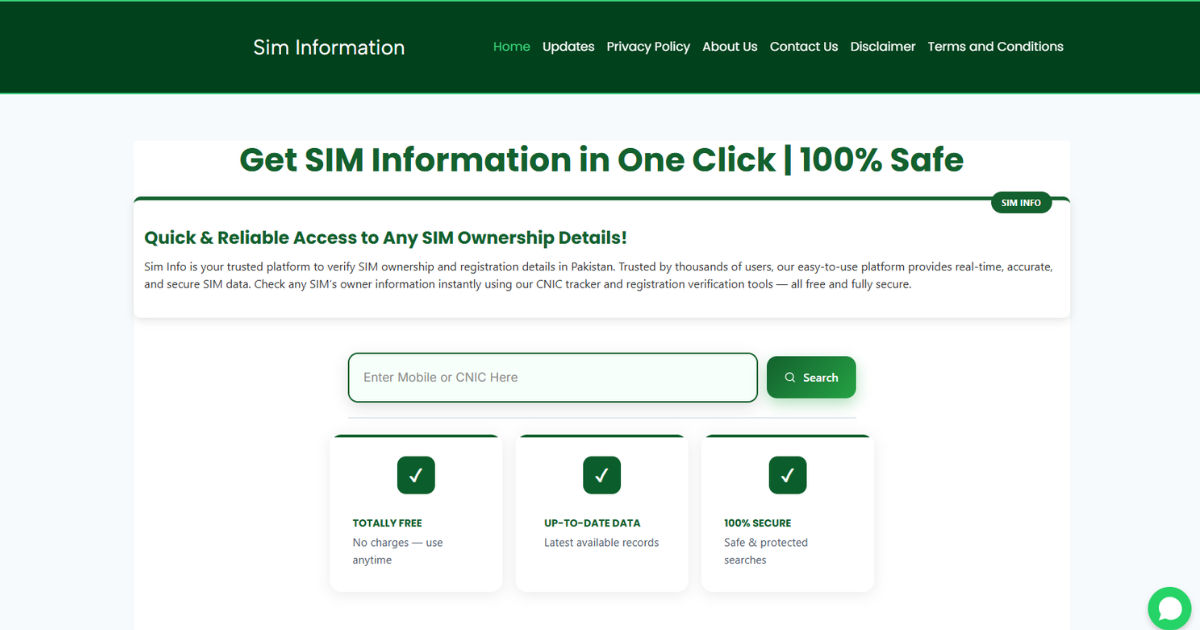
With the rise of digital scams, verification systems, and SIM‑related fraud, knowing how to check Sim Owner Details quickly and safely has become an essential modern skill.
This guide explains everything you need to know in simple language: the methods, tools, legal boundaries, risks, benefits, and real‑world steps to help you verify Sim Owner Details without confusion. Whether you're a student, a parent, or someone managing personal security, this detailed guide will help you understand the entire process.
Understanding Why People Need Sim Owner Information
Many people search for Sim Owner Details online for reasons that are not only practical but also necessary in today’s mobile‑driven world. Fraudulent calls, unknown callers, spam messages, and accidental communication are now everyday situations. In each of these cases, people want clarity and safety.
Below are some common reasons:
-
To verify the identity of an unknown caller
-
To confirm ownership of a SIM card they purchased
-
To help parents monitor children’s communication
-
To prevent scams and avoid fraudulent interactions
-
To confirm their own Sim Owner Details with telecom records
-
To ensure that no unauthorized SIM is registered under their identity
Because of these scenarios, people feel the need for reliable and secure ways to check Sim Owner Details with confidence.
What Exactly Are Sim Owner Details?
Sim Owner Details refer to the personal information registered with a mobile network when the SIM card is activated. These details help ensure accountability and security. They typically include:
-
Full registered name
-
CNIC/ID number
-
Address
-
Network operator
-
Activation date
-
Number of registered SIMs under the same ID
-
Sometimes, associated contact information
These records allow telecom providers to track ownership and prevent misuse. When you check Sim Owner Details, you are essentially verifying the registration information associated with a mobile number.
Is It Legal to Check Sim Owner Details Online?
Before exploring methods, it is important to understand the legal aspect. Many people worry whether checking Sim Owner Details violates privacy laws. The truth is simple:
-
Checking your own Sim Owner Details is completely legal.
-
Using official telecom services to verify the number of SIMs registered on your ID is also legal.
-
However, accessing someone else’s personal data without authorization can be illegal in many countries.
Most countries allow verification tools designed specifically to help users confirm Sim Owner Details for security. Using these legitimate systems is encouraged. However, suspicious third‑party websites promising full data access may violate privacy policies and should be avoided.
Always choose verified and lawful methods to check Sim Owner Details.
Methods to Check Sim Owner Details Online
There are several legitimate and widely used methods to verify Sim Owner Details. Below is a complete breakdown of safe and effective ways.
1. Using Official Telecom Operator Services
Phone carriers often provide systems to verify SIM registration. These systems are safe and authorized, making them the best way to check Sim Owner Details.
Most telecom providers offer:
-
SMS verification codes
-
Online portals
-
Mobile apps
-
Helpline support
These official channels give accurate and updated Sim Owner Details, avoiding privacy risks.
2. National SIM Check Portals
Many countries provide nationalized portals where users can verify the number of SIMs registered under their ID. These portals do not expose complete details of other people but are essential for ensuring your own Sim Owner Details are correct.
Such portals are excellent for:
-
Checking unauthorized SIMs
-
Confirming registered SIM count
-
Ensuring identity safety
This method protects both you and the telecom industry from fraud.
3. USSD Codes from Telecom Providers
Many networks offer short USSD codes. These codes instantly show limited Sim Owner Details such as the name registered with a number. While not full details, this information can still be helpful.
USSD services are:
-
Free
-
Instant
-
Reliable
-
Available 24/7
This is helpful if you need quick Sim Owner Details without internet access.
4. Mobile Network Customer Support
Calling customer support and verifying Sim Owner Details through official representatives is another secure method. They may ask for identity verification before providing information.
Customer support helps when:
-
There is an issue with incorrect registration
-
Unauthorized SIMs appear on your ID
-
You want to update your Sim Owner Details
-
You suspect fraud or misuse
This method ensures accuracy and updates your record correctly.
5. Mobile Apps Designed for Caller Identification
Some apps help users identify unknown callers by showing publicly available details. These apps do not always show official Sim Owner Details, but they can help identify whether a caller is known, unknown, or spam.
They may provide:
-
Caller name
-
Previous tags
-
Spam probability
-
Public directory information
These apps are not official but can still help filter unknown calls.
Why You Should Avoid Untrusted Third‑Party Websites
The internet is full of websites claiming to show complete Sim Owner Details instantly. Many people feel tempted to use them, but it is important to understand the risks.
These websites may:
-
Steal your data
-
Install malware
-
Display fake information
-
Collect phone numbers for spam
-
Misuse your personal identity
It is far safer to rely only on legitimate telecom resources and government‑approved portals when checking Sim Owner Details.
Updating or Correcting Your Sim Owner Details
Sometimes, the information registered with your SIM may be incorrect due to clerical mistakes or outdated records. In such cases, it is wise to update your Sim Owner Details promptly.
The steps usually involve:
-
Visiting a nearby franchise or customer service center
-
Showing your original identification document
-
Requesting correction or biometric verification
-
Confirming updated Sim Owner Details afterward
Keeping your records accurate helps avoid future issues and keeps your identity safe.
How Sim Owner Details Enhance Security
Telecom networks use Sim Owner Details to ensure accountability in mobile usage. This system helps protect users against fraud and supports law enforcement when necessary.
Security benefits include:
-
Tracking stolen SIM cards
-
Preventing identity theft
-
Blocking unregistered numbers
-
Ensuring authentic communication
-
Reducing cybercrimes
This is why verifying Sim Owner Details is not only helpful for individuals but also essential for national security systems.
How Parents Can Use Sim Owner Verification
Parents often want to ensure their children’s mobile numbers are registered correctly. Verifying Sim Owner Details helps parents:
-
Monitor the safety of communication
-
Ensure no unauthorized numbers contact their children
-
Confirm that their child's SIM is registered to a family member
This simple step increases digital safety at home.
How Businesses Benefit from Sim Owner Details
Businesses that rely on customer communication sometimes use official verification methods to confirm valid phone numbers. This helps with:
-
Customer identity confirmation
-
Fraud prevention
-
Secure account recovery
-
Managing customer databases
Correct Sim Owner Details can protect business operations and customer trust.
Common Myths About Sim Owner Details
There are many misunderstandings about accessing Sim Owner Details. Here are some myths and clarifications:
Myth 1: Anyone can access complete personal information online.
Reality: Legitimate systems limit access to protect privacy.
Myth 2: Apps provide official telecom information.
Reality: Many apps show public data, not certified Sim Owner Details.
Myth 3: Checking someone’s SIM registration is legal.
Reality: Accessing another person’s confidential data without permission is illegal.
Clearing these myths helps users stay safe and make informed decisions.
Tips for Safely Checking Sim Owner Details
To avoid risks, follow these important tips:
-
Always use official telecom sources
-
Avoid giving your number to unverified websites
-
Protect your ID documents
-
Regularly check SIMs registered under your identity
-
Report suspicious numbers immediately
These practices keep your Sim Owner Details safe from misuse or fraud.
When to Seek Help from Authorities
If you find unauthorized SIM cards registered under your ID or receive suspicious calls, you may need to involve authorities. Checking Sim Owner Details can help you identify potential threats and report them promptly.
Seek help if:
-
Your identity appears compromised
-
You receive harassment calls
-
You detect SIM fraud
-
A number is involved in a scam
Authorities can take action to protect you and update your records.
Conclusion
Understanding how to check Sim Owner Details online is now an essential skill for digital safety. In a world where communication happens instantly and often anonymously, knowing who is behind a phone number can protect you from fraud, misinformation, and unwanted contact. This guide covered the full range of safe and legal ways to verify Sim Owner Details, including telecom portals, national databases, USSD codes, mobile apps, and customer support channels.
By choosing secure and official methods, avoiding risky third‑party websites, and keeping your own Sim Owner Details up‑to‑date, you can ensure your digital identity remains protected. Whether you are trying to verify your own registration, confirm a child's number, identify unknown callers, or prevent fraud, these tools empower you to take control.
Checking Sim Owner Details is not just about curiosity—it's about safety, responsibility, and digital awareness. With the right knowledge, you can navigate the mobile world confidently, protect your identity, and make informed decisions every time you receive a call or message.