
Recovery after the dhi hair transplant in karachi is a journey that many people in Pakistan take to regain confidence and a fuller hairline. In this guide, we will walk through what to expect, how to care for your scalp, and how to avoid setbacks.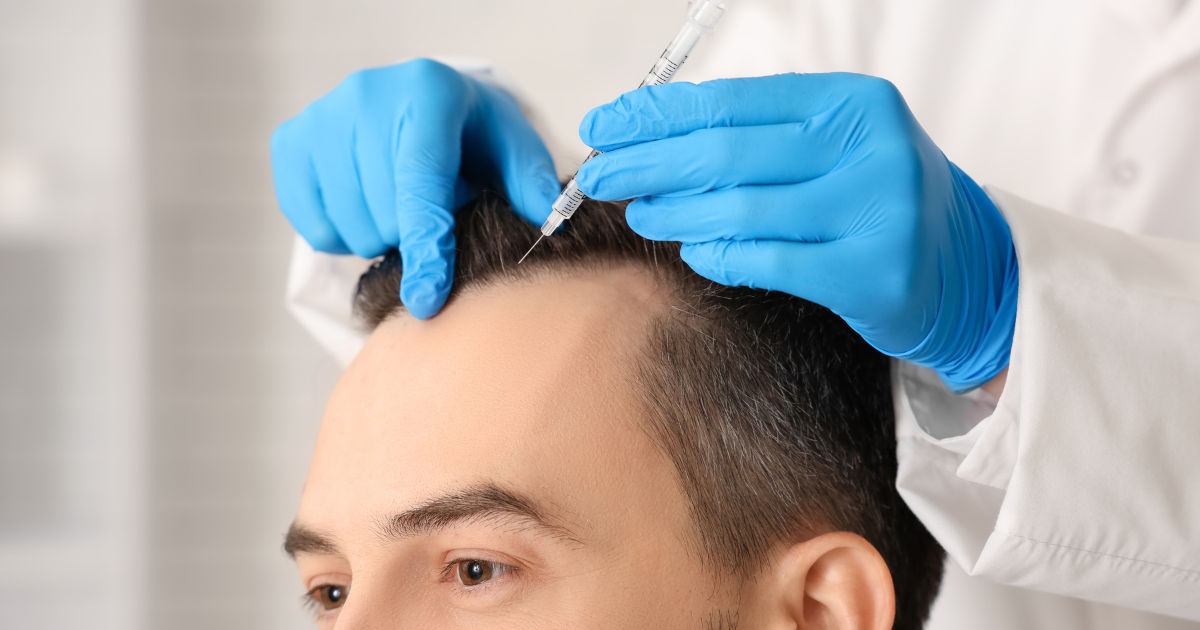
The goal is to make recovery smooth, safe, and predictable.If you are considering dhi hair transplant in karachi, it helps to know that the first week is the most sensitive period.
Your surgeon will give you instructions, but knowing the logic behind them makes it easier to follow them. This post focuses on the typical recovery timeline and practical tips.
Understanding the DHI method
Direct Hair Implantation, or DHI, is a technique where grafts are extracted and implanted using a specialized pen. Many clinics in Karachi offer dhi hair transplant in karachi because it can be precise and less traumatic to the scalp. During the procedure, the surgeon works in a controlled way to place hairs at the right angle and density.
The key advantage of DHI is that the follicles are handled quickly, which can improve survival. However, the recovery depends on your skin type, your aftercare, and the skill of the team. In Karachi, patients often choose dhi hair transplant in karachi for its natural-looking results and shorter downtime compared to older methods.
What happens in the first 24 hours after surgery?
Right after the surgery, your scalp will feel tight and tender. The transplanted area may look red and there may be tiny scabs around each graft. This is normal. The clinic may wrap your head or place a light bandage. The first day is about rest and protecting the grafts.
You will likely be advised to avoid touching the transplanted area. The grafts are not fully anchored yet, and rubbing can dislodge them. In the first few days, keeping the scalp dry and clean is important, because sweat can irritate the new follicles after dhi hair transplant in karachi.
Day 2 to 3: swelling and soreness
Swelling is common after dhi hair transplant in karachi. It may appear on the forehead or around the eyes. This happens because the body reacts to the small wounds created during implantation. Most swelling peaks around day 2 or 3 and then fades. Your doctor may prescribe anti-inflammatory medicine to help.
Soreness in the donor area is also normal. The back of your head may feel tender where follicles were removed. The pain is usually mild, but it can feel worse if you sleep on the wrong side. During dhi hair transplant in karachi, your surgeon will advise you on how to sleep safely.
How to sleep after DHI transplant
How to sleep after dhi hair transplant in karachi is simple: keep your head elevated and avoid pressure on the transplanted zone. Many patients use a travel pillow or extra pillows to create a U-shape support. This reduces swelling and protects grafts.
Cleaning and washing during recovery
One of the most asked questions about dhi hair transplant in karachi is when to wash the hair. Clinics in Karachi usually recommend waiting 48 to 72 hours before the first gentle wash. After that, washing is done carefully, using a mild shampoo and light water pressure.
The idea is to remove crusts without disturbing grafts. You can use a cup to pour water gently over the scalp. Avoid direct shower spray for the first week. Many patients find that a soft sponge or their fingertips work best for cleaning after dhi hair transplant in karachi.
After the first week, you can gradually increase the pressure and normal shampooing. But still avoid harsh rubbing or scratching. The scabs will fall off naturally, and forcing them off can pull out grafts after dhi hair transplant in karachi.
Medication and supplements
Your clinic may give antibiotics to prevent infection after dhi hair transplant in karachi. It is important to complete the full course even if you feel fine. Infection can ruin grafts and slow healing. In Karachi, where dust and heat are common, keeping the scalp clean becomes even more important.
Pain medicine is usually only needed for a few days. If your doctor prescribes something, take it as directed. Avoid self-medicating with strong painkillers, as they can cause bleeding or stomach problems, which may affect your recovery after dhi hair transplant in karachi.
Some patients are also advised to take vitamins or supplements. While a healthy diet supports healing, supplements should be discussed with your surgeon. The focus should be on protein, iron, and hydration to support new hair growth after dhi hair transplant in karachi.
Activity and exercise rules
During the first week after dhi hair transplant in karachi, you should avoid strenuous activity. Exercise increases blood pressure and sweating, which can disturb grafts. Even simple activities like bending over or lifting heavy items can increase swelling.
Most clinics in Karachi recommend light walking after a few days, but only if you can keep your head protected. Avoid gyms, running, or sports for at least two weeks after dhi hair transplant in karachi. This reduces the risk of infection and trauma to the scalp.
After two weeks, you can slowly return to normal activity. However, contact sports should wait longer. The grafts are still settling, and a hit to the head can dislodge them even weeks after dhi hair transplant in karachi.
Diet and hydration for faster healing
A balanced diet helps the body repair itself after dhi hair transplant in karachi. Focus on lean protein like chicken, fish, eggs, and lentils. Protein provides the building blocks for hair growth. Also include fruits and vegetables for vitamins and antioxidants.
Hydration is often overlooked. Drinking enough water supports circulation and helps reduce swelling. In Karachi’s warm weather, dehydration can be a risk. Aim for at least 2 to 3 liters of water daily, unless your doctor advises otherwise after dhi hair transplant in karachi.
Avoid alcohol and smoking for at least a month after dhi hair transplant in karachi. Smoking reduces blood flow to the scalp, which can harm graft survival. Alcohol can thin the blood and increase bleeding and swelling.
Common side effects and what is normal
It is normal to see redness, mild pain, and scabbing after dhi hair transplant in karachi. Some patients also experience numbness or tingling in the donor or recipient area. This usually improves over weeks as nerves heal.
Shock loss is another common issue. This means some of your existing hairs fall out temporarily after dhi hair transplant in karachi. It can look alarming, but it is usually temporary. The new grafts are not affected, and hair regrowth begins later after dhi hair transplant in karachi.
It is also normal to feel itchy as the scalp heals. Itching is a sign of recovery, but scratching can damage grafts. Use a gentle moisturizer or the products recommended by your clinic after dhi hair transplant in karachi.
When to contact your surgeon
While most recovery is smooth, you should contact your clinic if you notice signs of infection after dhi hair transplant in karachi. These include increasing redness, pus, fever, or severe pain. Early treatment prevents damage to grafts.
If swelling does not reduce after a few days, or if you develop a hard lump, contact your doctor. Sometimes fluid collects under the skin, and it may need to be drained. This is rare but treatable after dhi hair transplant in karachi.
If you experience excessive bleeding or sudden loss of many grafts, reach out immediately. A good clinic in Karachi will support you through the recovery period and answer your questions after dhi hair transplant in karachi.
What to expect in the first month
During the first month after dhi hair transplant in karachi, you will see gradual improvement in the scalp’s appearance. The scabs will fall off, and redness will fade. The transplanted hairs may start to grow, but many patients experience shedding first.
This shedding is part of the normal cycle. The follicles enter a resting phase before new hair grows. It can be frustrating, but it is not a sign of failure after dhi hair transplant in karachi. Patience is key.
You may also notice that the donor area looks smoother and less swollen. The tiny extraction sites heal quickly, and by one month most people feel comfortable wearing normal hairstyles after dhi hair transplant in karachi.
Months 2 to 3: the growth phase begins
Between two and three months after dhi hair transplant in karachi, new hairs start to appear. They may be thin at first and look different from your original hair. This is normal. Over time, the hairs thicken and blend in.
It is important to continue following basic care, such as gentle washing and avoiding harsh chemicals. Some patients use minoxidil or other treatments after consulting their surgeon. These can support growth but should be used carefully after dhi hair transplant in karachi.
In Karachi, air pollution and dust can irritate the scalp. Continue to protect your head when outdoors, especially during the early months after dhi hair transplant in karachi. A clean cap or scarf can help, but avoid tight coverings that press on grafts.
Months 4 to 6: visible improvement
By the fourth month after dhi hair transplant in karachi, many patients see noticeable growth. The hair becomes thicker and more consistent. This is when people start feeling more confident about their results.
The scalp should feel fully healed, and most redness should be gone. If you still notice irritation, discuss it with your clinic. Sometimes mild inflammation can be controlled with topical treatments after dhi hair transplant in karachi.
At this stage, you can also consider a styling change. A new haircut or different parting can help blend the new hair. Many people in Karachi feel ready to return to their regular look around this time after dhi hair transplant in karachi.
Months 7 to 12: final results
The final result of dhi hair transplant in karachi usually appears between eight and twelve months. Hair density improves, and the transplanted hair matches your natural texture. Patience is important, because hair growth is slow and steady.
By the end of the first year, most patients see the full benefit of the transplant. If you are not satisfied, discuss options with your surgeon. Sometimes a second session is recommended for more density after dhi hair transplant in karachi.
Keep in mind that natural hair continues to age and thin. A transplant does not stop genetic hair loss. Many people use maintenance treatments to preserve existing hair after dhi hair transplant in karachi.
Lifestyle habits that support recovery
Sleep is a simple but powerful factor in recovery after dhi hair transplant in karachi. Aim for 7 to 8 hours each night. Good sleep helps the body repair tissues and reduces stress, which can affect hair growth.
Stress management is also important. High stress can trigger hair shedding and slow healing. Simple practices like walking, breathing exercises, or light stretching can help during recovery after dhi hair transplant in karachi.
Avoiding heat exposure is another key habit. Saunas, hot showers, and direct sunlight can irritate the scalp. In Karachi’s summers, a cool shower and shade can protect the grafts after dhi hair transplant in karachi.
Choosing the right clinic in Karachi for recovery support
The recovery experience depends on the clinic’s follow-up care. A good clinic offering dhi hair transplant in karachi will provide clear instructions, follow-up calls, and emergency support. They should also explain what is normal and what needs attention.
Before the procedure, ask about the post-op plan. How often will you be checked? What products will be provided? Who will you contact if there is a problem? These questions matter because recovery is where many patients feel anxious after dhi hair transplant in karachi.
Also check the clinic’s hygiene standards and the surgeon’s experience. A clean environment and skilled team reduce the risk of complications during and after dhi hair transplant in karachi.
Common myths about recovery after DHI
One myth is that you must stay completely still for weeks after dhi hair transplant in karachi. While you should avoid heavy activity, normal daily movement is fine. Staying too inactive can also increase stiffness and discomfort.
Another myth is that scabs should be removed forcefully. Scabs are part of healing, and picking them can pull out grafts. Let them fall off naturally after dhi hair transplant in karachi.
Some people believe that hair will grow immediately after dhi hair transplant in karachi. In reality, the first visible growth usually starts after two to three months. Knowing this helps you stay patient and avoid disappointment after dhi hair transplant in karachi.
Practical tips for a smoother recovery
Keep your head elevated for the first few nights after dhi hair transplant in karachi. This reduces swelling and helps you sleep comfortably. Use a clean pillowcase and change it regularly to avoid infection.
Use the prescribed shampoo and follow the washing technique taught by your clinic. If you feel unsure, ask for a demonstration. A small mistake in washing can affect graft survival after dhi hair transplant in karachi.
Avoid smoking and alcohol for at least a month. Also avoid caffeine overload. These habits can thin the blood and increase swelling, which may harm grafts after dhi hair transplant in karachi.
Wear loose, comfortable clothing. Pulling a tight shirt over your head can accidentally rub the transplanted area. Button-up shirts or zip jackets are easier to wear after dhi hair transplant in karachi.
Travel and work after DHI
Many people in Karachi return to work within a week after dhi hair transplant in karachi, especially if their job is not physically demanding. If you work outdoors, you may need extra protection from sun and dust. A clean cap and frequent breaks in shade can help. If your workplace is air-conditioned, it may reduce sweating, which is helpful for the first days after dhi hair transplant in karachi.
If you plan to travel within Pakistan, avoid long journeys in crowded conditions during the first week. Dust and heat can irritate the scalp. Carry a small bottle of clean water and a gentle shampoo if you need to freshen up after dhi hair transplant in karachi.
In the case of a long flight, try to keep your head elevated and avoid heavy luggage. Stress and fatigue can slow healing, so rest well before and after the trip. Many clinics in Karachi offer post-op advice for patients who need to travel after dhi hair transplant in karachi.
Frequently asked questions during recovery
Many patients ask if they can fly after dhi hair transplant in karachi. Air travel is usually safe after a week, but it depends on your swelling and comfort. The main concern is pressure changes and dehydration. If you must travel, keep your scalp protected and stay hydrated during the flight.
Another common question is whether you can use hair oil. Oils can be used later, but not in the first month after dhi hair transplant in karachi. Oils can clog pores and trap dirt, increasing the risk of irritation. If your clinic approves, you can use light oil after the scalp is fully healed.
Some patients wonder about shaving the donor area. Shaving is often allowed after a few weeks, but the timing depends on the clinic’s instructions. Shaving too early can irritate healing extraction sites after dhi hair transplant in karachi.
What about scalp massage? Gentle massage can improve circulation, but it should only be done when the grafts are stable. Usually massage is safe after three to four months, but check with your surgeon before trying it after dhi hair transplant in karachi.
Can you use sunscreen? Yes, but only after the scalp is healed enough. Direct sun can damage new follicles and cause pigmentation. A wide-brim hat is a simple and safe way to protect your head during the early months after dhi hair transplant in karachi.
What if you have dandruff? Dandruff can irritate the scalp. If you had dandruff before the procedure, inform your clinic. They may recommend a mild anti-dandruff shampoo after the initial healing period. Avoid strong medicated shampoos too early after dhi hair transplant in karachi.
How long should you wait before coloring hair? Hair dye is a chemical process that can irritate the scalp. Most clinics advise waiting at least three months after dhi hair transplant in karachi. This gives the scalp time to fully heal and reduces the risk of inflammation after dhi hair transplant in karachi.
If you follow these guidelines and stay in touch with your clinic, recovery becomes predictable. Many patients in Karachi report feeling back to normal within a few weeks, and the long-term results make the effort worthwhile after dhi hair transplant in karachi.
Emotional support during recovery
Emotional support during recovery is often overlooked. It is normal to feel impatient or self-conscious while the scalp heals. Talking to friends, joining a support group, or staying in touch with your surgeon can ease anxiety. Remember that hair growth is gradual, and focusing on small improvements each week helps you stay motivated.
Keep a simple diary of your progress to track healing and growth.
Conclusion
Recovery after dhi hair transplant in karachi is a process that requires patience and careful attention. The first week is the most critical, but the full results take many months. By following your surgeon’s instructions, protecting your scalp, and maintaining a healthy lifestyle, you can support graft survival and enjoy natural-looking hair.
If you choose a reputable clinic in Karachi and stay consistent with aftercare, the recovery period becomes manageable. Remember that small habits, like gentle washing and avoiding scratching, make a big difference in the final outcome after dhi hair transplant in karachi.
In the end, a successful recovery is about respect for the healing process. With the right care, most people achieve satisfying results and a renewed sense of confidence after dhi hair transplant in karachi.