
Modern Pakistani fashion has always been a reflection of cultural heritage, social trends, and personal identity. Over the past decade, a new wave has emerged that combines traditional elements with global street style influences.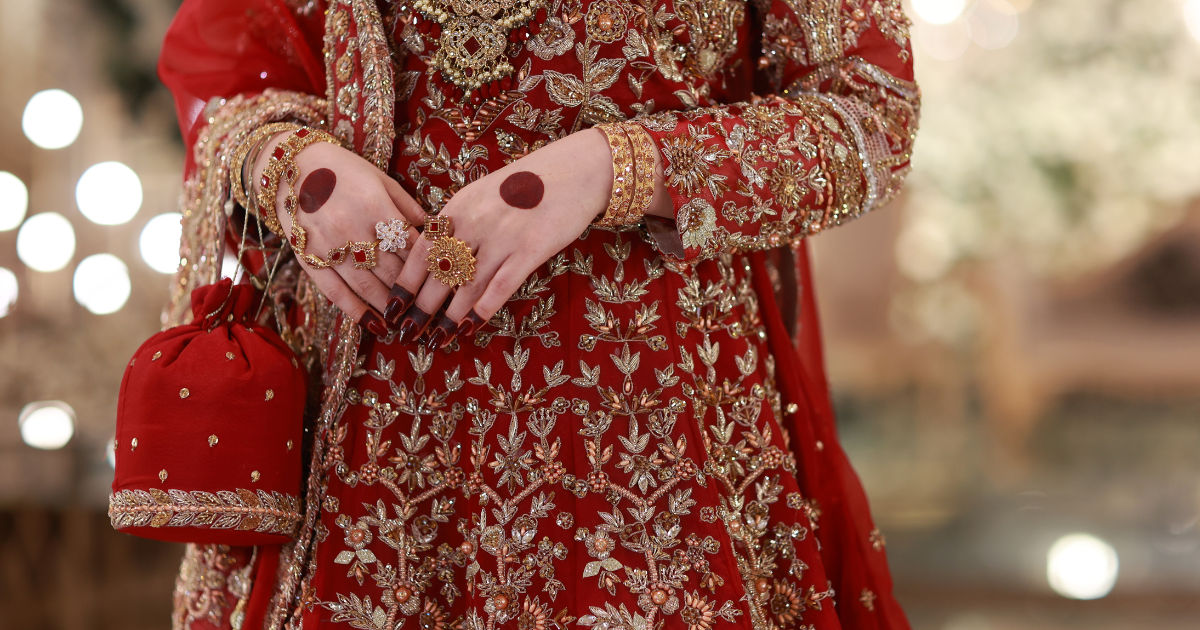
This fusion is more than just clothing; it’s an expression of individuality, confidence, and creativity. Nani je designers and young fashion enthusiasts are redefining Pakistani fashion, creating unique looks that are both contemporary and rooted in tradition.
Street style has long been associated with self-expression, urban trends, and experimentation. When it meets modern Pakistani fashion, the result is a dynamic mix that celebrates bold patterns, comfortable silhouettes, and innovative layering.
Nani je designers are embracing this fusion, making it accessible for daily wear, special occasions, and social media aesthetics.
In this guide, we will explore how street style has influenced modern Pakistani fashion, highlighting popular trends, styling tips, fabrics, accessories, and the role of social media in shaping this evolving culture.
The Rise of Street Style in Pakistan
Street style, often associated with urban cities like Karachi, Lahore, and Islamabad, is characterized by its versatility and trend-driven nature. Unlike traditional fashion, street style allows experimentation with textures, colors, and forms. It emphasizes individuality and creativity, making it ideal for a modern Pakistani context.
Nani je fashion influencers on social media have played a crucial role in promoting street style. Through Instagram, TikTok, and YouTube, they showcase casual yet chic looks that blend traditional Pakistani garments like kurtas and shalwars with Western streetwear staples such as hoodies, sneakers, and oversized jackets. This accessibility has made street style a vital part of the fashion conversation in Pakistan.
Street style also offers a platform for local designers to innovate. By combining cultural motifs with contemporary cuts, they create versatile outfits suitable for young professionals, college students, and fashion enthusiasts alike.
Key Elements of Street Style in Pakistani Fashion
Street style in Pakistan has several defining elements. Understanding these can help fashion enthusiasts create cohesive looks that reflect both tradition and modernity.
Casual and Comfortable Silhouettes
Comfort is a cornerstone of street style. Loose-fitting trousers, oversized shirts, and flowing kurtas dominate urban Pakistani fashion. Nani je designers are emphasizing comfort without compromising style. For example, pairing a baggy kurta with high-top sneakers or denim jackets creates a trendy yet culturally respectful look.
Bold Prints and Patterns
Street style encourages experimentation with prints, patterns, and textures. Traditional Pakistani prints like ikat, block prints, or floral embroidery are now being reimagined in streetwear forms. Bright colors and contrasting designs are often paired with neutral basics to maintain balance. Nani je collections frequently showcase vibrant motifs that stand out in city streets while keeping the cultural essence intact.
Layering and Streetwear Accessories
Layering is another crucial aspect. Fashion enthusiasts mix traditional vests, jackets, and oversized cardigans with everyday outfits. Accessories like bucket hats, chunky sneakers, and statement bags complete the street-inspired look. Layering adds dimension and allows creativity, giving each outfit a unique personality.
Popular Street Style Trends in Modern Pakistani Fashion
Modern Pakistani fashion has witnessed the rise of several street-inspired trends. These trends are increasingly popular among youth and are often showcased in urban fashion hubs and online platforms.
Oversized Kurtas and Shalwars
Oversized kurtas paired with straight or wide-leg shalwars have become a street style staple. The loose fit ensures comfort, while embroidery or patterns add cultural charm. Nani je designers often include subtle detailing like threadwork or sequins to elevate the casual look into something stylish and urban.
Fusion of Western and Eastern Garments
Mixing Western and Eastern garments is a hallmark of street style in Pakistan. For example, wearing a cropped hoodie over a traditional kurta or pairing denim jackets with embroidered pants is now common. This blend reflects the versatility of Pakistani fashion and its adaptability to global trends.
Sneakers with Traditional Outfits
Sneakers have become a fashion-forward addition to traditional attire. Pairing brightly colored sneakers with a long kurta or a formal shalwar kameez creates a youthful, street-inspired look. Nani je brands are experimenting with handcrafted embroidery on sneakers to merge craftsmanship with street sensibilities.
Statement Outerwear
Jackets, coats, and oversized blazers are increasingly popular in urban Pakistani fashion. They add a contemporary twist to traditional outfits and allow for functional layering during colder months. Bomber jackets or leather coats paired with traditional garments demonstrate a stylish East-meets-West aesthetic.
Fabrics and Textures in Street-Influenced Pakistani Fashion
Fabric choice is essential in blending street style with modern Pakistani fashion. Comfort, durability, and visual appeal are key considerations.
Cotton and Linen
Lightweight cotton and linen fabrics dominate street-inspired Pakistani outfits. They are breathable, easy to maintain, and perfect for layering. Nani je designers often use cotton blends with subtle prints for casual street looks that are both trendy and practical.
Denim and Khaddar
Denim is a staple of streetwear globally and has been successfully integrated into Pakistani fashion. From denim jackets to patchwork pants, it provides a rugged, urban aesthetic. Khaddar, a traditional handwoven fabric, is also being reimagined in streetwear cuts, creating an interesting contrast between tradition and modernity.
Embellished and Textured Fabrics
Street style allows experimentation with textures and embellishments. Sequins, threadwork, and metallic finishes are used sparingly to add flair. Nani je collections often incorporate embroidered patches or subtle metallic threads into streetwear outfits, striking a balance between sophistication and casual urban appeal.
Styling Tips for Street-Inspired Pakistani Fashion
Street style is all about individuality, but there are several tips to help achieve a balanced look.
Mix and Match
Don’t be afraid to mix patterns, textures, and colors. A floral kurta can be paired with distressed jeans or cargo pants. Nani je designers encourage experimenting with layers and contrasts to create visually appealing ensembles.
Accessorize Smartly
Accessories define street style. Hats, sunglasses, belts, and statement bags can elevate any outfit. Layered necklaces, chunky rings, and bracelets complement casual Pakistani outfits, giving them a street-ready vibe.
Balance Traditional and Modern Elements
The key to modern Pakistani street style is balancing traditional and modern pieces. Avoid overwhelming prints or excessive layering. Instead, focus on one standout element, like embroidered pants or a statement jacket, while keeping the rest neutral.
Footwear Choices
Footwear completes the street look. Sneakers, loafers, or ankle boots pair well with both casual and semi-formal Pakistani attire. Nani je collections often include customized footwear to match outfits, bridging street style with cultural aesthetics.
Role of Social Media in Shaping Street Style
Social media has revolutionized how street style is perceived in Pakistan. Platforms like Instagram and TikTok allow young designers and fashion enthusiasts to showcase innovative outfits and gain inspiration from global trends.
Nani je influencers often post videos combining traditional kurtas with modern streetwear, creating viral fashion moments. Hashtags like #StreetStylePakistan and #NaniJeFashion highlight the fusion trend, making it accessible to a wider audience.
Additionally, social media enables direct interaction with designers, allowing consumers to request customizations or explore limited-edition street-inspired collections. This democratization of fashion has empowered youth to experiment boldly and creatively.
Street Style for Different Occasions
Street style in Pakistan is no longer limited to casual settings. With thoughtful styling, it can be adapted for various occasions.
Everyday Wear
For daily wear, opt for comfortable kurtas, straight shalwars, and casual sneakers. Accessorize minimally with simple jewelry or a stylish bag. Nani je designs provide versatile pieces suitable for college, work, or casual outings.
Semi-Formal Events
Street style can be elevated for semi-formal events. Pair embroidered or textured kurtas with tailored pants, sleek shoes, and a statement jacket. Subtle embellishments like threadwork or sequins enhance the outfit while maintaining a street-inspired edge.
Festivals and Cultural Celebrations
During festivals, street style blends vibrant traditional prints with modern silhouettes. Bright colors, layered outfits, and playful accessories like ethnic jewelry or patterned scarves reflect cultural pride while embracing contemporary trends.
Emerging Pakistani Designers and Street Style Innovation
Several Pakistani designers are leading the charge in merging street style with traditional fashion. Their collections focus on urban aesthetics, comfort, and cultural relevance.
Nani je
Nani je has been a trailblazer in this space. Their collections often feature oversized kurtas, statement jackets, and embroidered streetwear pieces. They seamlessly integrate traditional fabrics with modern cuts, making street style accessible to all ages.
Local Urban Designers
Apart from mainstream labels, emerging designers from Karachi and Lahore are experimenting with patchwork, unconventional layering, and custom embroidery. Their designs are often showcased on social media, influencing trends nationwide.
Collaborative Collections
Collaborations between traditional artisans and modern streetwear brands are on the rise. These partnerships celebrate craftsmanship while appealing to younger audiences who want culturally inspired street style.
Sustainability in Street-Influenced Pakistani Fashion
Sustainability has become a key focus in modern fashion globally, and Pakistani street style is no exception.
Ethical Fabric Sourcing
Nani je and other forward-thinking brands prioritize organic cotton, recycled fabrics, and low-impact dyes. This ensures that street-inspired outfits are not only stylish but environmentally responsible.
Upcycling and Customization
Street style encourages creative repurposing of old garments. Vintage kurtas can be altered with modern cuts, denim jackets customized with embroidery, or scarves transformed into statement accessories.
Supporting Local Artisans
Collaborating with local artisans preserves traditional crafts while giving them a contemporary platform. This approach strengthens cultural heritage while promoting street-inspired fashion innovation.
Challenges in Street Style Adoption
While street style is growing, there are challenges in fully integrating it into mainstream Pakistani fashion.
-
Cultural Perceptions: Some traditionalists may view street-inspired looks as too casual or Westernized.
-
Limited Accessibility: High-quality streetwear pieces from local designers can be expensive or limited in availability.
-
Climate Considerations: Layering and heavy fabrics may not suit Pakistan’s diverse climate, especially in summer.
Despite these challenges, the popularity of street style continues to grow, thanks to social media influence and urban youth’s desire for self-expression.
Conclusion
The fusion of street style and modern Pakistani fashion represents a dynamic evolution of cultural aesthetics. Nani je designers and young fashion enthusiasts have shown that it is possible to celebrate tradition while embracing global trends. Oversized kurtas, vibrant prints, sneakers with traditional attire, and innovative layering are just a few ways in which this fusion manifests.
Street style in Pakistan is not just about clothing—it’s about identity, creativity, and confidence. Social media, emerging designers, and sustainability initiatives are shaping a new fashion landscape that respects heritage while pushing boundaries.
Whether for daily wear, semi-formal events, or cultural celebrations, street-inspired Pakistani fashion provides endless possibilities for experimentation. By balancing traditional elements with contemporary influences, anyone can create a unique, stylish look that reflects individuality.
Nani je collections continue to lead this movement, offering designs that are bold, comfortable, and culturally rich. As this trend grows, it will redefine what it means to dress stylishly in Pakistan, blending the past, present, and future seamlessly.