
Surah Al Kahaf is one of the most profound chapters of the Holy Quran. Its teachings, stories, and lessons have guided millions of Muslims throughout history.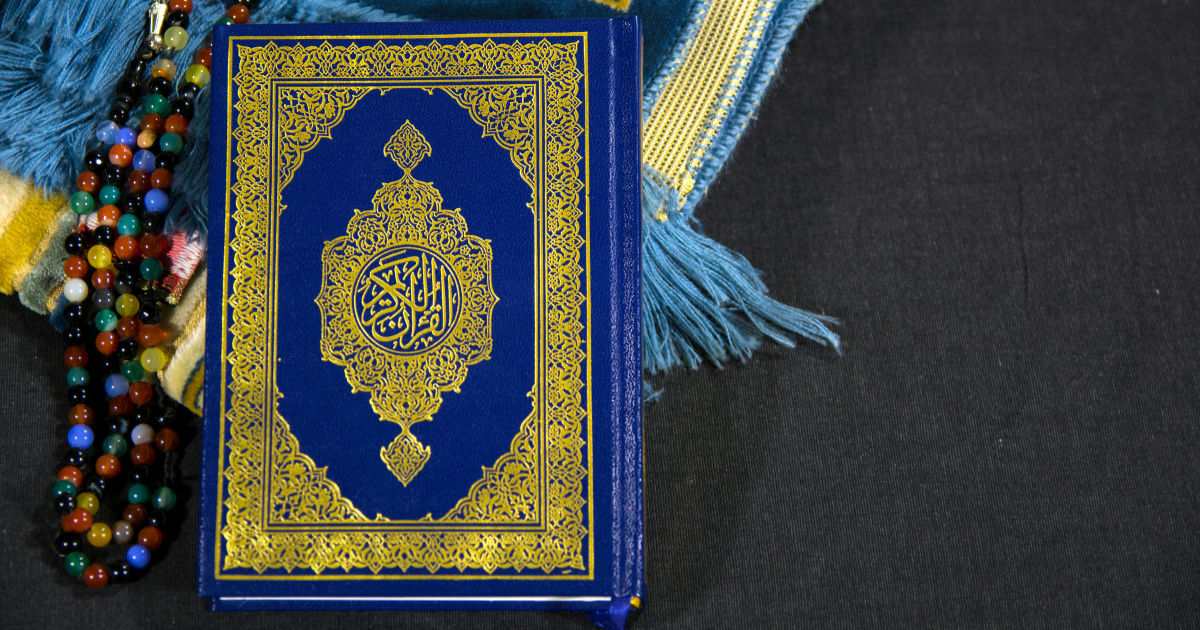
Understanding Surah Al Kahaf is crucial, as it provides wisdom, moral guidance, and inspiration for daily life.
This surah, which is the 18th chapter of the Quran, holds unique significance and is recited regularly by many believers, especially on Fridays, for protection and spiritual growth.
In this guide, we will provide a detailed overview of Surah Al Kahaf, explore its major themes, explain its important stories, and understand its relevance in contemporary life. By the end, readers will gain clarity about the surah’s message and practical guidance for applying its teachings.
Introduction to Surah Al Kahaf
Surah Al Kahaf, meaning "The Cave," is a Makki surah revealed during the early period of Prophet Muhammad’s (PBUH) mission. This chapter consists of 110 verses (ayahs) and is revered for its stories of faith, patience, and divine guidance. Its primary purpose is to strengthen the believer’s faith in Allah, inspire reliance on divine wisdom, and offer caution against trials and temptations in life.
Reciting Surah Al Kahaf on Fridays is highly recommended in Hadiths, as it serves as a light for the believer for the entire week. The surah addresses challenges that test faith, knowledge, and morality, offering lessons that are timeless and universally relevant.
Major Themes of Surah Al Kahaf
Surah Al Kahaf is a chapter full of spiritual guidance and moral lessons. Understanding its major themes helps the reader extract practical wisdom:
1. The Trials of Faith
One of the central themes of Surah Al Kahaf is the testing of faith. The surah narrates stories of people who faced severe challenges in life but remained steadfast in their belief in Allah. These stories highlight patience, resilience, and the importance of trusting Allah during hardships.
2. The Story of the People of the Cave
The story of the sleepers in the cave demonstrates the power of divine protection. These young men faced persecution for their belief in Allah and were miraculously protected by Him for many years. This narrative symbolizes the triumph of faith over worldly challenges and the ultimate reward of trust in Allah.
3. The Trial of Wealth and Power
Another key theme is the test of material wealth and power. Through the story of two men—one rich and arrogant, the other humble and faithful—the surah illustrates that worldly possessions are temporary. True success lies in piety, gratitude, and moral integrity.
4. The Story of Prophet Musa (Moses) and Al-Khidr
The encounter between Prophet Musa and Al-Khidr teaches patience, humility, and trust in divine wisdom. It emphasizes that human understanding is limited and that Allah’s knowledge encompasses all things. This story encourages believers to seek knowledge and accept life’s challenges with faith.
5. The Trial of Knowledge
Surah Al Kahaf also highlights the value of true knowledge. It differentiates between worldly knowledge, which can be limited, and divine wisdom, which is infinite. The surah encourages believers to pursue knowledge humbly and to acknowledge Allah as the ultimate source of guidance.
6. The Lesson of Time and Mortality
Time and the transient nature of life are recurring lessons in the surah. Believers are reminded that earthly life is temporary, and only actions in accordance with Allah’s guidance have lasting significance. This theme instills mindfulness and moral responsibility.
Detailed Story Explanations in Surah Al Kahaf
Surah Al Kahaf contains four prominent stories, each with deep moral and spiritual lessons. Understanding these stories provides practical guidance for modern life.
The People of the Cave
The story of the cave begins with a group of young men who fled their community to preserve their faith. Their people were idol worshippers, and the youths sought refuge in a cave. Allah miraculously put them to sleep for many years, protecting them from harm. When they awoke, the world had changed, but their faith remained intact.
This story illustrates:
-
The importance of steadfast faith in Allah
-
Divine protection for the believers
-
Patience during trials
-
Trust in Allah’s timing
The Story of Two Men and Wealth
In this parable, two men are described—one wealthy and arrogant, the other poor but righteous. The rich man boasts about his material success, ignoring Allah’s blessings. Eventually, his wealth is destroyed, teaching a lesson in humility and gratitude.
Key takeaways include:
-
Wealth is temporary and should not be a source of arrogance
-
True success lies in moral and spiritual wealth
-
Gratitude for blessings strengthens faith
Prophet Musa (Moses) and Al-Khidr
Prophet Musa is sent to learn from Al-Khidr, a wise servant of Allah. Musa questions several actions that seem unjust, but Al-Khidr explains that his actions are guided by divine wisdom beyond human understanding.
Lessons from this story:
-
Patience and humility in learning
-
Acceptance of divine wisdom even when it is unclear
-
Recognition of human limitations
-
The importance of seeking knowledge from the right sources
Dhul-Qarnayn: The Just Ruler
The story of Dhul-Qarnayn, a just king, highlights the use of power responsibly. He travels across the world, helping oppressed communities and building a barrier to protect people from destructive forces.
This narrative emphasizes:
-
Justice and fairness in leadership
-
Responsibility that comes with power
-
Using resources for the benefit of humanity
Spiritual Lessons from Surah Al Kahaf
Beyond the stories, Surah Al Kahaf imparts spiritual lessons that guide believers in their daily lives.
1. Strengthening Faith
The surah reinforces the idea that faith in Allah provides strength to face challenges. By learning from the examples of the people of the cave, believers are reminded to remain patient and steadfast.
2. Seeking Knowledge
Knowledge is a recurring theme. The story of Musa and Al-Khidr emphasizes the importance of humility and the recognition that divine wisdom is beyond human comprehension.
3. Avoiding Materialism
Believers are cautioned against being consumed by material wealth. True contentment comes from spiritual growth and gratitude for Allah’s blessings.
4. Mindfulness of Time
The surah reminds us that life is temporary and that every action has consequences. Being mindful of how time is spent encourages moral responsibility.
5. Hope and Trust in Allah
No matter the difficulties faced, Surah Al Kahaf assures believers that trust in Allah brings protection and guidance. It encourages patience and resilience in the face of adversity.
The Significance of Reciting Surah Al Kahaf
Reciting Surah Al Kahaf on Fridays is a tradition emphasized in Hadiths. The benefits of recitation include:
-
Protection from the trials of Dajjal (the false messiah)
-
Illumination and spiritual guidance throughout the week
-
Strengthening of faith and moral character
Additionally, studying and reflecting upon the surah provides clarity in understanding life’s trials and encourages reliance on Allah’s wisdom.
Applying the Teachings of Surah Al Kahaf in Daily Life
Understanding Surah Al Kahaf is not limited to reading it. Its lessons can be applied practically:
1. Patience in Adversity
Believers should practice patience during personal challenges, inspired by the steadfastness of the people of the cave.
2. Ethical Use of Wealth
Avoiding arrogance and using wealth responsibly aligns with the teachings of the story of the two men.
3. Pursuit of Knowledge
Engage in learning with humility, understanding that human knowledge is limited compared to divine wisdom.
4. Fairness and Justice
Leaders and individuals with authority should exercise justice and fairness, reflecting the example of Dhul-Qarnayn.
5. Spiritual Reflection
Set aside time for reflection and recitation of Quranic verses to strengthen connection with Allah.
Conclusion
Surah Al Kahaf is a profound chapter of the Quran, offering lessons on faith, patience, morality, and divine wisdom. Its stories—the people of the cave, the two men with contrasting wealth, Prophet Musa and Al-Khidr, and Dhul-Qarnayn—serve as timeless guidance for believers.
By reciting and reflecting upon Surah Al Kahaf, individuals can strengthen their faith, gain moral clarity, and navigate life’s challenges with patience and wisdom. The surah’s messages of trust in Allah, humility, gratitude, and pursuit of knowledge remain relevant today. Embracing its teachings nurtures spiritual growth and provides protection against trials, both seen and unseen.
For every believer, Surah Al Kahaf is not just a chapter to read; it is a source of light, guidance, and inspiration to live a life of righteousness, wisdom, and faith.