
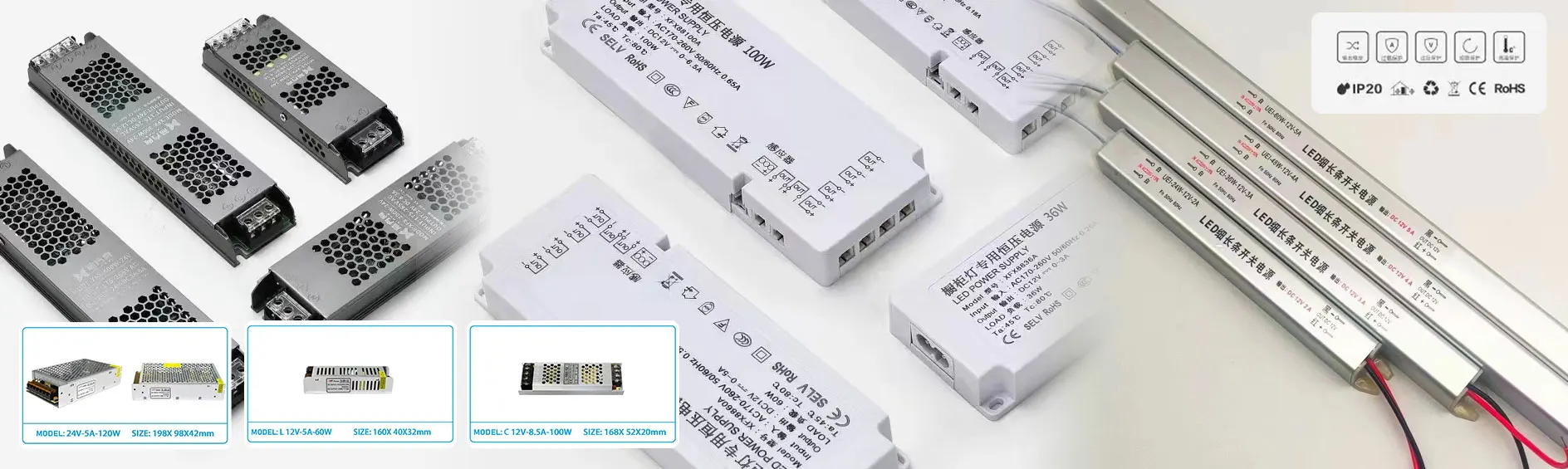
LED lights have rapidly become a popular choice for both residential and commercial lighting. Unlike traditional incandescent or fluorescent bulbs, LEDs are known for their energy efficiency and longevity. But what makes LED lights last so long? Understanding the science behind LED technology reveals how these lights operate and why they outlast other types of lighting LED Strip suppliers.
How LED Lights Work
LED stands for Light Emitting Diode. It’s a semiconductor device that emits light when an electric current passes through it. Unlike incandescent bulbs that rely on heating a filament to produce light, LEDs generate light by moving electrons within a semiconductor material. This process is known as electroluminescence. When current flows through the diode, electrons recombine with electron holes, releasing energy in the form of light.
LEDs operate at a much lower temperature compared to incandescent or halogen bulbs, which is one reason they last longer. The lower operating temperature reduces the risk of components breaking down due to heat. Over time, LEDs experience less wear and tear from heat-related stress, allowing them to maintain their brightness for much longer than traditional light sources.
Efficiency and Energy Consumption
One of the most notable features of LED lights is their energy efficiency. LEDs convert more energy into light and less into heat compared to incandescent and fluorescent lights. This means that LEDs use less power to produce the same amount of light, making them more energy-efficient. The efficiency is a result of the solid-state nature of LEDs, which allows them to produce light without relying on the heat-based processes of older lighting technologies.
The high energy efficiency of LEDs not only helps reduce electricity costs but also contributes to their longevity. Because less energy is wasted as heat, the internal components of the LED light are under less stress, which prolongs the life of the bulb. On average, LED lights use 75% less energy than incandescent bulbs and last up to 25 times longer, making them a far more economical option over time.
Durability and Build
The physical construction of LEDs contributes significantly to their long lifespan. Most LED lights are made of durable materials that can withstand shocks, vibrations, and extreme temperatures. This makes LEDs ideal for use in challenging environments, from outdoor lighting in extreme weather to industrial settings where lights may be exposed to harsh conditions.
The design of LED lights also ensures that they have a more reliable and consistent performance. LEDs are solid-state devices, meaning they do not have fragile components like filaments or glass enclosures found in incandescent or fluorescent bulbs. These bulbs are also less prone to breakage or failure due to external factors, making them more robust and longer-lasting. Furthermore, many modern LED lights feature built-in heat sinks that help dissipate heat more effectively, keeping the light cooler and preventing overheating.
Degradation and Light Output Over Time
While LEDs have a longer lifespan than traditional bulbs, they don’t last forever. Over time, the light output of an LED will gradually decrease, a process known as lumen depreciation. However, the rate of depreciation in LEDs is much slower compared to incandescent or fluorescent lights. In fact, most LED lights can continue to emit light at around 70% of their original brightness even after 25,000 to 50,000 hours of use.
This slow degradation is one of the reasons LED lights can last so long. Unlike incandescent bulbs, which burn out suddenly, LEDs experience a gradual dimming process, which means they continue to provide usable light for a longer period. The rate of lumen depreciation depends on several factors, including the quality of the LED, the materials used in its construction, and the operating conditions such as temperature and voltage.
The Impact of LED Technology on Sustainability
The long lifespan of LED lights also has positive implications for the environment. Since they last much longer than traditional bulbs, fewer replacements are needed, which reduces waste. Additionally, LEDs are made of materials that can be recycled, further contributing to sustainability efforts. Their energy efficiency helps reduce the demand for electricity, which in turn lowers greenhouse gas emissions.
Furthermore, LEDs contain no mercury, unlike fluorescent bulbs, which require special handling and disposal due to their toxic content. The widespread adoption of LED lighting is a step toward creating a more sustainable future by reducing the environmental impact of lighting systems.
Conclusion
LED lights represent a significant advancement in lighting technology. Their long lifespan, energy efficiency, durability, and minimal environmental impact make them a preferred choice for both consumers and businesses. The science behind LEDs explains why they last so much longer than traditional light sources. By understanding how LEDs work and the factors that contribute to their longevity, it’s clear why they are not just a trend but a lasting solution to lighting needs. As technology continues to improve, we can expect LED lights to become even more efficient, affordable, and sustainable.