
In today’s globalized world, children are growing up surrounded by multiple languages. Introducing children to books in more than one language can dramatically improve their cognitive skills, cultural awareness, and literacy.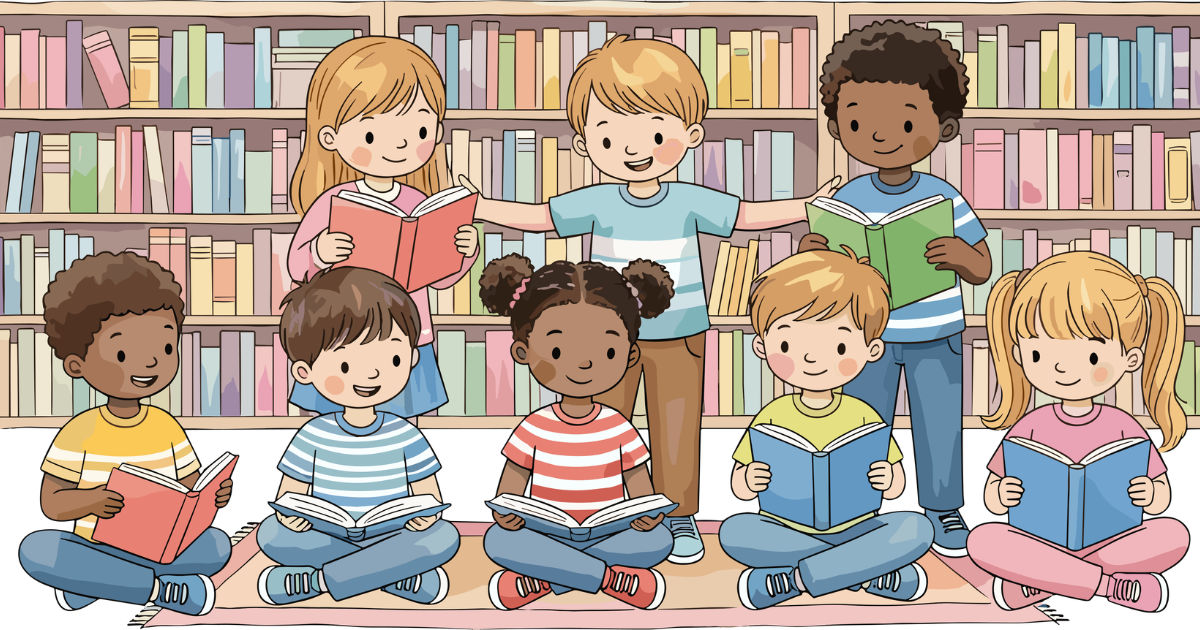
Multilingual Children's Books Online provide an accessible way for parents, teachers, and caregivers to expose children to different languages from the comfort of their homes. These digital libraries not only support reading but also promote empathy, inclusivity, and understanding of diverse cultures.
Online libraries offering Multilingual Children's Books Online have grown in popularity because they allow children to explore stories in various languages at any time. Parents no longer have to rely solely on physical books, which may be hard to find in certain languages.
Digital platforms bridge this gap, making it easier to find age-appropriate content that supports learning in both a child’s native language and additional languages.
Benefits of Multilingual Children's Books Online
The advantages of using Multilingual Children's Books Online are numerous. These benefits extend beyond basic literacy and language learning.
-
Language Development: Exposure to multiple languages early in life enhances vocabulary, grammar understanding, and overall language proficiency. Children who read multilingual books often develop a better ear for pronunciation and sentence structure in different languages.
-
Cultural Awareness: Multilingual books often contain stories from diverse cultures. By reading these books, children learn to appreciate cultural differences, traditions, and social norms, helping them grow into more culturally aware individuals.
-
Cognitive Skills: Research shows that bilingual or multilingual children tend to perform better on problem-solving, critical thinking, and multitasking tasks. Reading Multilingual Children's Books Online stimulates the brain and promotes mental flexibility.
-
Convenience and Accessibility: Online platforms allow families to access books anytime and anywhere. This is particularly beneficial for those living in areas with limited library resources or specialized multilingual collections.
-
Inclusivity: Children from bilingual or multilingual families can access books in their home language. This creates a more inclusive learning environment where children feel represented and supported.
Popular Online Platforms for Multilingual Children's Books Online
There are numerous online platforms where parents and educators can access Multilingual Children's Books Online. Here are some of the most popular and reliable options:
StoryWeaver
StoryWeaver is an open-access digital library that offers thousands of free children's books in multiple languages. The platform allows users to read, download, and translate stories. StoryWeaver focuses on providing stories for children aged 0-12, making it suitable for early readers.
International Children’s Digital Library (ICDL)
ICDL hosts a vast collection of books from around the world. This platform offers books in more than 60 languages. Its user-friendly interface allows children to search by language, age group, or themes. ICDL is especially useful for teachers looking to incorporate multicultural content into their classrooms.
Unite for Literacy
Unite for Literacy focuses on early literacy and provides digital books with audio narration in multiple languages. This feature is particularly helpful for children who are just beginning to read or for those learning a new language. The audio component allows children to listen and follow along, reinforcing language comprehension.
Epic!
Epic! is a subscription-based service that provides access to thousands of books in various languages. It also includes interactive features such as read-to-me options, quizzes, and educational videos. Epic! is ideal for families and classrooms looking to integrate Multilingual Children's Books Online into structured learning.
BookBox
BookBox offers animated story videos in multiple languages. Each video comes with subtitles, allowing children to read along while listening. This platform combines storytelling with visual learning, which is particularly effective for language acquisition in younger children.
How to Choose the Right Multilingual Children's Books Online
Choosing the right books can make a significant difference in a child’s learning experience. Here are some factors to consider:
Age Appropriateness
Children's reading levels vary widely depending on age and experience. Ensure that the book’s language complexity and content are suitable for the child’s age. Many online libraries categorize books by age groups, making it easier to find suitable material.
Language Availability
Check if the platform provides books in the languages your child is learning or is already familiar with. Platforms like StoryWeaver and ICDL offer extensive language options, making them versatile choices for multilingual education.
Interactive Features
Some online platforms provide audio narration, animation, or interactive quizzes. These features can enhance comprehension and engagement, particularly for younger children.
Cultural Relevance
Select books that represent diverse cultures and experiences. Exposure to different cultural stories helps children develop empathy and a broader worldview.
Accessibility
Ensure the platform is easy to navigate and compatible with the devices you have at home. Some platforms also allow offline access, which is useful for families with limited internet connectivity.
Tips for Encouraging Children to Read Multilingual Books Online
Introducing children to Multilingual Children's Books Online is only the first step. Encouraging them to read regularly requires strategy and creativity.
-
Set a Routine: Establish a regular reading schedule. Even 15-20 minutes a day can have a significant impact on language acquisition.
-
Read Together: Reading alongside your child allows you to help with difficult words, explain concepts, and share excitement about the story.
-
Interactive Discussions: After reading, ask questions about the story to check comprehension and encourage critical thinking. Discussing cultural elements or moral lessons strengthens learning.
-
Use Multimedia Features: Platforms with audio narration or animation can make reading more engaging. Encourage your child to follow along with the narration to reinforce pronunciation and understanding.
-
Mix Languages: If your child is learning multiple languages, alternate between books in different languages. This variety can keep reading sessions exciting and prevent monotony.
-
Encourage Storytelling: Invite children to retell the story in their own words, in any language they prefer. This activity reinforces memory, vocabulary, and storytelling skills.
Integrating Multilingual Books into Education
Teachers and educators can effectively use Multilingual Children's Books Online to support classroom learning. Here’s how:
Language Learning
Integrating multilingual books into language lessons helps students connect reading with speaking, listening, and writing skills. Teachers can assign reading exercises in multiple languages to improve fluency and comprehension.
Cultural Studies
Books from different regions can complement lessons on world cultures, history, and geography. Students gain a more holistic understanding of the world and develop cross-cultural sensitivity.
Collaborative Projects
Educators can organize group projects where students translate stories or create multilingual presentations. This approach fosters teamwork while reinforcing language skills.
Literacy Development
Digital books with interactive features can improve literacy among reluctant readers. Features like audio narration, word highlighting, and gamified quizzes make reading enjoyable and accessible.
Special Education
For students with learning disabilities, Multilingual Children's Books Online provide flexible, accessible materials. Visual aids, audio narration, and adjustable text formats cater to different learning styles and needs.
Challenges of Using Online Multilingual Libraries
While online libraries offer many benefits, there are challenges that parents and educators should consider:
-
Screen Time Concerns: Excessive screen use can impact eye health and attention span. It’s important to balance online reading with physical activities and offline reading.
-
Limited Language Options: While many platforms offer multiple languages, rare or indigenous languages may not be available. Families may need to combine resources from several platforms.
-
Digital Literacy: Younger children may require guidance to navigate platforms, select books, or use interactive features effectively.
-
Subscription Costs: Some platforms require paid subscriptions, which may be a barrier for some families. Free options exist but may have limited content.
-
Content Moderation: Parents and educators need to ensure that content is age-appropriate and culturally sensitive. Online platforms can vary in quality control, so careful selection is necessary.
Future of Multilingual Children's Books Online
The future of Multilingual Children's Books Online looks promising. Advances in AI, augmented reality, and interactive storytelling are transforming the reading experience for children.
-
AI-Powered Translation: Future platforms may offer near-instant translations, allowing children to switch seamlessly between languages while reading.
-
Interactive Storytelling: Augmented reality and gamified features will make stories more engaging and immersive.
-
Personalized Learning: AI algorithms could recommend books based on a child’s reading habits, interests, and language proficiency, making learning more efficient.
-
Global Collaboration: Children from different countries could read the same story simultaneously and discuss it online, fostering global friendships and cultural exchange.
Conclusion
Multilingual Children's Books Online represent a vital resource in today’s interconnected world. They offer children the chance to develop language skills, cultural awareness, and cognitive abilities while fostering a love for reading. Parents, educators, and caregivers can leverage these platforms to provide accessible, engaging, and inclusive educational experiences.
By carefully selecting age-appropriate books, encouraging interactive reading, and integrating multilingual stories into daily learning, children can reap the full benefits of a multilingual upbringing. Despite challenges like screen time concerns and limited language availability, the opportunities far outweigh the drawbacks.
As technology advances, Multilingual Children's Books Online will continue to evolve, offering even richer, more interactive experiences for young readers worldwide. Embracing these digital resources today ensures that children are not only literate but also culturally sensitive, empathetic, and linguistically versatile in the years to come.
Ultimately, online multilingual libraries are more than just a collection of books—they are gateways to global understanding and lifelong learning. Investing time in guiding children through these resources equips them with skills that transcend language, preparing them for a future where communication and cultural literacy are essential.